
Laser Metal Deposition revolutionizes manufacturing technology
Laser metal deposition (LMD) is a revolutionary manufacturing technology that produces high-performance cladding layers to remanufacture high-value components and extend their service life. It covers three core applications: laser cladding, repair welding, and additive manufacturing (also referred to as laser additive manufacturing (LAM) or metal 3D printing).

Advantages of Laser Metal Cladding
Compatible with stainless steel, nickel alloy, titanium alloy, cemented carbide and other mainstream industrial metals. It can also produce gradient alloy materials to meet customized working demands. Precision localized material feeding greatly reduces raw material waste.

Design freedom
Laser Additive manufacturing (LAM) enables the production of complex geometries that are difficult or otherwise impossible to manufacture.

Efficiency
As only the material that is actually needed is used, LAM can be very material and resource efficient.

Speed
Additive manufacturing with Laser produces prototypes and components in a short time, which shortens the time to market.

Cost Reduction
Perfect for repairing worn, damaged and high-value industrial parts, such as turbine blades, mining rollers and hydraulic parts. It saves replacement cost and shortens delivery time.
How do we support you with laser metal deposition?
Selecting
the right laser system and components plays a decisive role in the success and
efficiency of laser metal deposition.
By consulting the experts at Nova Laser, you can be sure that you are choosing exactly the laser components and systems for laser metal deposition that best meet your expectations.
You also benefit from our know-how, as we already support a considerable customer base in this industry with our systems.
Advantages:
- First-class advice on the selection of Laser for LMD
- Benefit from our wealth of experience
- Tailor-made solutions thanks to a wide range of products
- Attractive prices for our Laser systems
- Technical support and maintenance of our systems
"Choosing the right laser products is crucial for success and competitiveness. We are happy to help you select suitable laser products for laser metal deposition."
Jim Yu, Nova Laser System Co., LtdTypical applications in Laser Metal Deposition
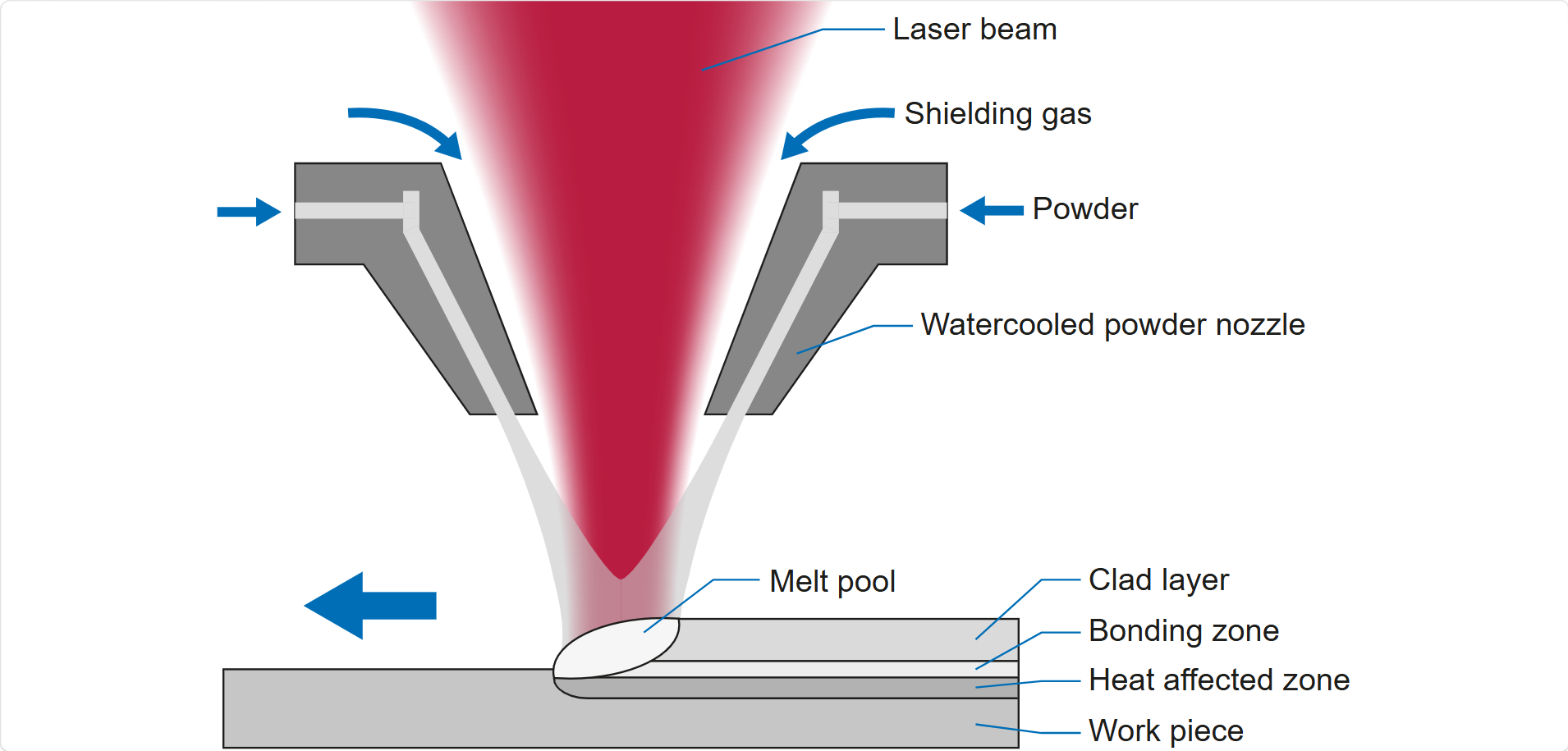
Laser Cladding
Pore-free and crack-free layers with a long lifetime, high surface quality and exceptional durability. The laser cladding process involves using either wire or powder as coating material, which is melted by a focused laser beam to form a molten pool on the surface of the workpiece. As the material solidifies, it creates dense, metallurgically bonded layers that offer superior durability compared to coatings created by thermal spraying, and pose fewer health risks than conventional hard chromium plating.
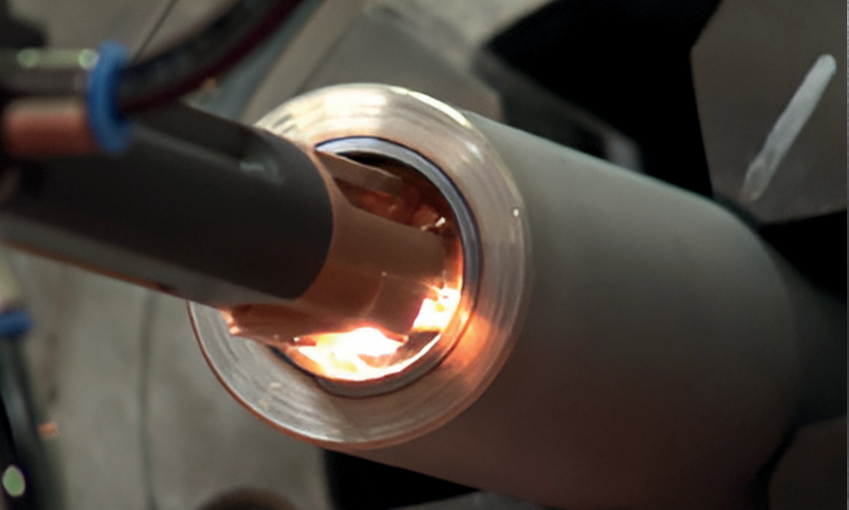
Internal Diameter Laser Cladding
Internal diameter (ID) laser cladding is performed using specially developed ID processing optics. The laser beam is precisely guided through the optics into the component’s interior, where it creates a molten pool on the inner surface. At the same time, a metallic powder material is continuously supplied to the molten pool and fused with the base material to form a dense, metallurgically bonded coating. Thanks to the compact design and angled beam guidance of the ID optics, uniform and reproducible coatings can be achieved even at large immersion depths of internal geometries such as pipes, cylinders or plain bearings. The ID optics also enable the coating of complex geometries, such as those found in truck brake discs. The result is a high-quality, wear- and corrosion-resistant layer with excellent adhesion and surface homogeneity. Internal Diameter Laser Cladding Advantages at a Glance: 1. Cladding of inner diameters from 25 mm; 2. High deposition rates – maximum flexibility; 3. Access to complex geometries and hard-to-reach areas; 4. Extended component lifetime.
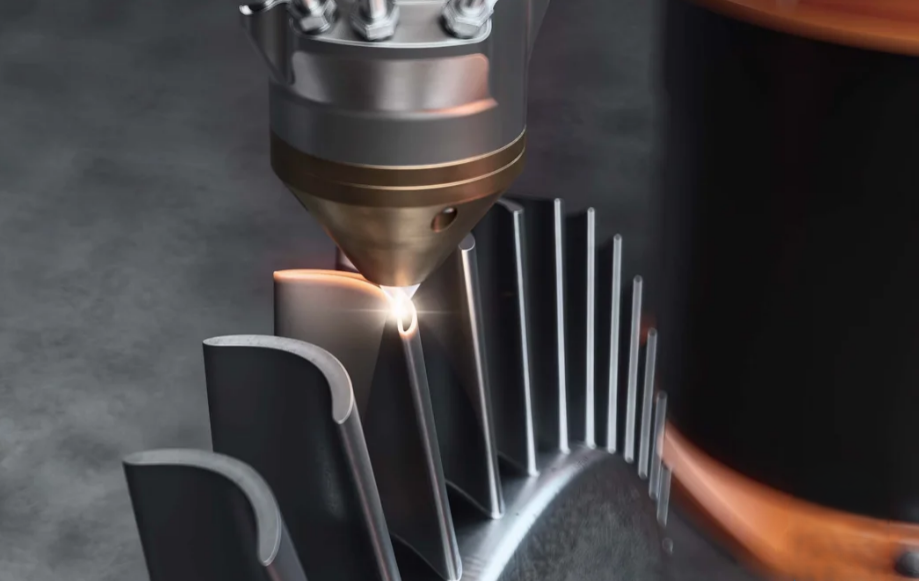
Additive Manufacturing Applications
The main tool involved in metal additive manufacturing is a system which contains a laser, a movable metal deposition head and a metal powder nozzle or wire feeder. The metal deposition head, which is suitable for 3D printing, is moved over a building platform while it adds the metal powder or the wire by heating it with the laser beam and melting it on the surface. After the material has been cooled down, the next metal layer can be applied, thereby additively generating a three-dimensional component in accordance with the construction plan. The technical principle of the additive manufacturing process is basically the same as the cladding process. The difference is that it does not revolve around two-dimensional layers: instead, three-dimensional forms are created. A variety of technologies exist to generate components, often referred to as additive manufacturing (AM) or 3D printing. Laser cladding, also known as laser metal deposition (LMD) is gaining importance in this context. It enables shapes and structures to be built up in a single production step - with virtually no material loss, reworking or tool wear (near-net-shape manufacturing). Step by step, layers of identical materials are deposited. With appropriate programming of the processing system, even complex components can be produced. In addition to stainless steels, aluminum, titanium and superalloys are increasingly used here, for example in turbines, fuselages and wings in aircraft construction.
Let us advise you and test for yourself
If you have any questions, need a quote or would like to test a configuration in our technical center, please send us an e-mail or simply give us a call. We will answer you as quickly as possible.
Contact us
Address
Shezhen Nova Laser System Co., Ltd
Room 311, Qianhai Innovation Center, Xixiang Ave, Bao'an District, Shenzhen 518102, China
Office hours
Monday to Thursday
08:30
am to 5:00 pm
Friday
08:30 am to 4:00 pm
Further applications
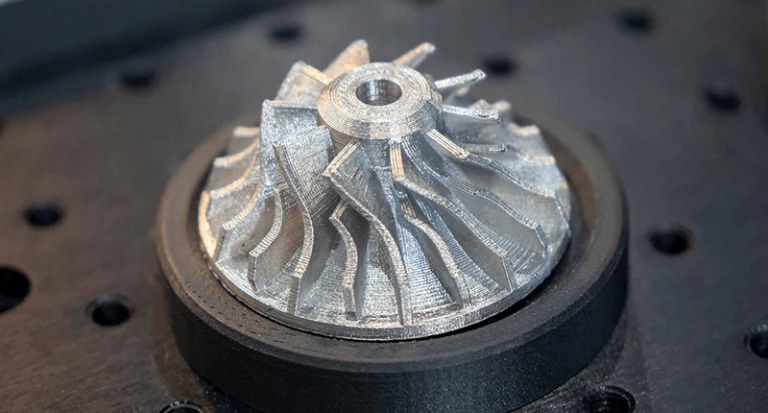
Laser Metal Deposition
Laser metal deposition is a revolutionary manufacturing technology that produces high-performance cladding layers to remanufacture high-value components and extend their service life.
More about Laser Metal Deposition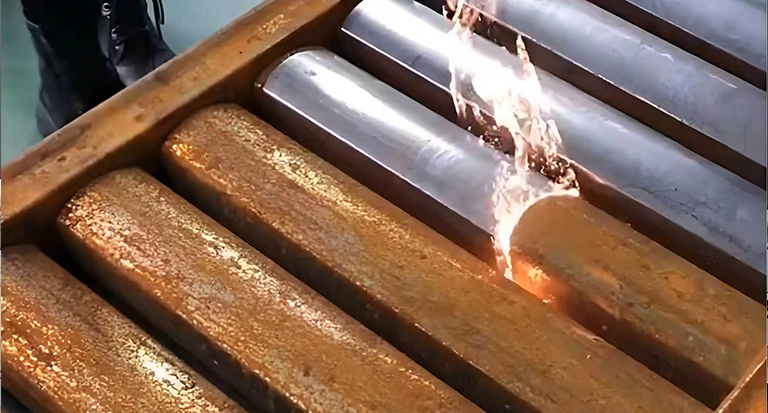
Laser cleaning
Laser cleaning is an effective method for removing impurities, coatings or deposits from surfaces
More about Laser cleaning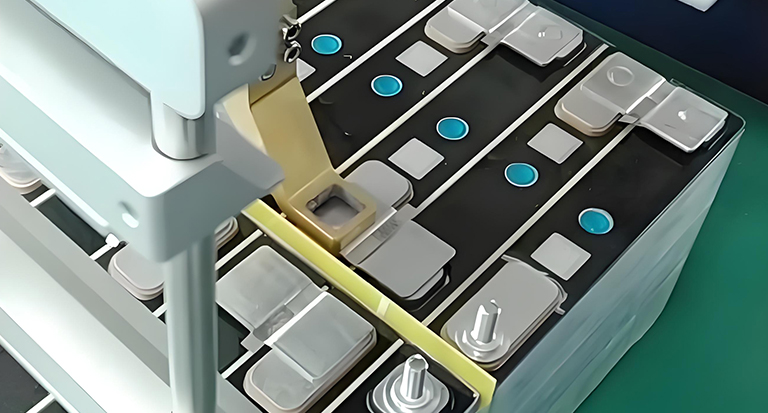
Battery production with Laser
The use of lasers in battery production enables greater precision, efficiency and reproducibility in the manufacture of batteries
More about Battery production with Laser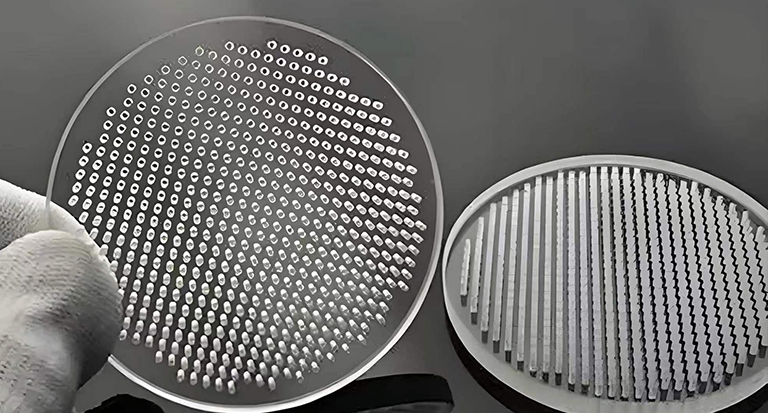
Glass Laser
Lasers play an important role in glass production and are used for various applications
More about Glass Laser