
Unbeatable welding precision with the help of Laser technology
Laser welding is a welding process in which a Laser beam is used to weld workpieces together. The Laser generates high temperatures at certain points to fuse the materials together. The resulting weld seam is very precise and uniform.
This process offers many advantages and is widely used in various industries, including the manufacturing and automotive industries.

Advantages of Laser welding
Laser welding enables the production of high-quality welded joints with low distortion. It is an important technology in modern production, especially when welding metals and plastics.
Even for sensitive or difficult materials such as cast iron or stainless steel, you can work with us to find exactly the right combination of Laser system components for your application.

Precision
Laser welding enables extremely precise weld seams, as the Laser beam is very focused and controllable. This results in less distortion and a higher welding quality.

Temperature
The low heat input due to the fast process prevents the risk of distortion and material changes

Speed
A fast machining process enables welding in record time. This is particularly advantageous in series production.

Versatility
Welding Laseris particularly suitable for joining metals and plastics.
How does Nova Laser support you with laser welding?
Selecting
the right Laser components plays a crucial role in the success and efficiency
of laser welding. With the help of our experts' advice and careful selection of
the right Laser components, you will get a Laser welding system that meets your
requirements in the long term.
Here are some key aspects where Nova Laser can assist in the selection of laser systems for welding metals or plastics.
Advantages:
- First-class advice on selecting the right laser source and welding heads
- Tailor-made solutions thanks to a large selection of components from well-known manufacturers
- Experience thanks to a large customer base in laser welding
- Technical support and maintenance of our products
"Our products represent a high-quality and cost-effective alternative for our customers. We look forward to hearing from you and you can benefit from our experience in welding various materials at laser."
Jack Wang, Nova Laser System Co., LtdTypical applications in Laser welding
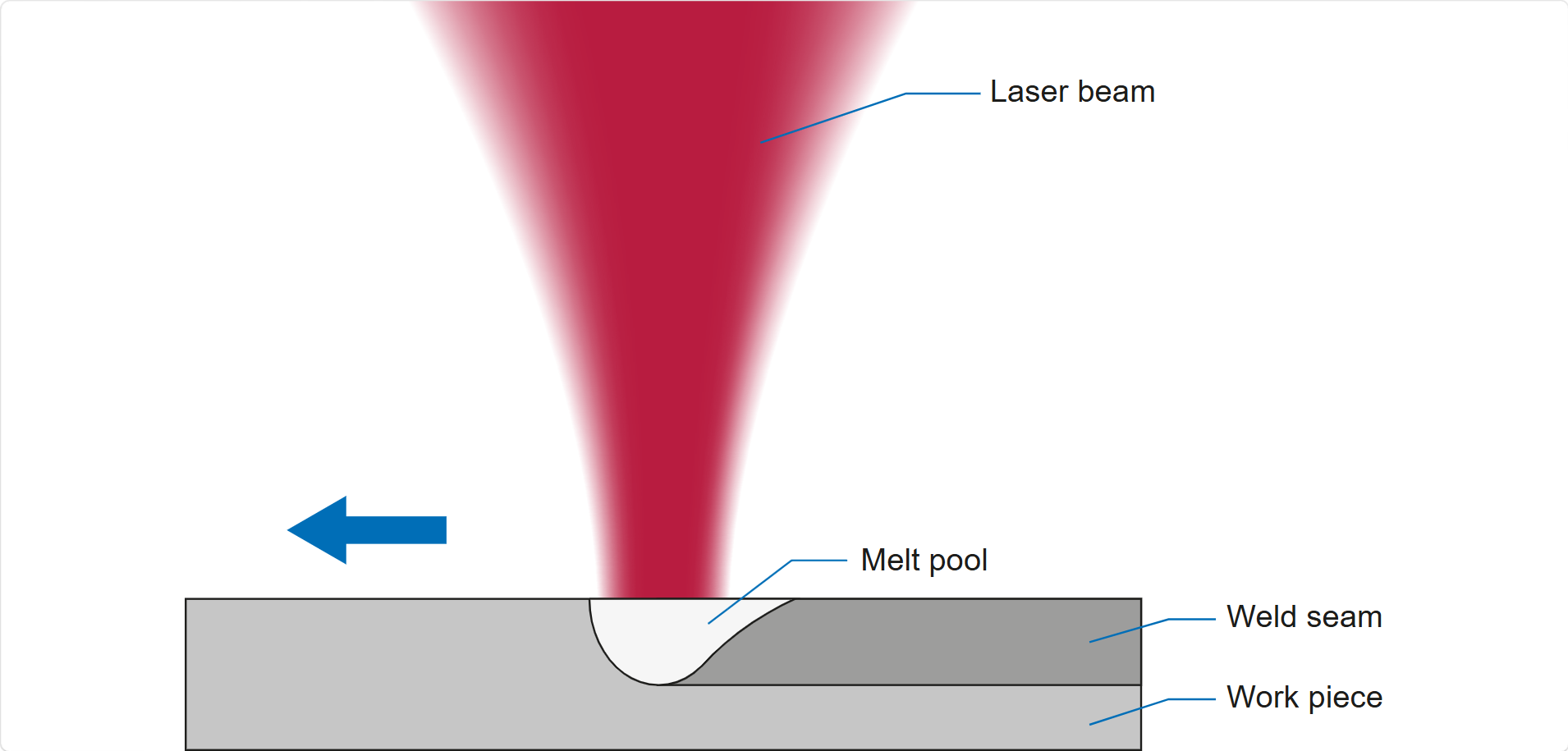
Heat Conduction Welding
Diode conduction welding is characterized by low exposure depths of a maximum of one millimeter and is mainly used for joining sheets with low material thickness. With heat conduction welding, the laser melts the sheets along the intended joint. The melted portions of the joint partners merge and then cool off to create the actual welding seam. This enables welded connections to be realized more quickly and with lower material distortion than with the usual welding methods. Furthermore, it generates smooth, pore-free welding seams that do not need any post-processing. This makes heat conduction welding the method of choice, especially in visible areas.
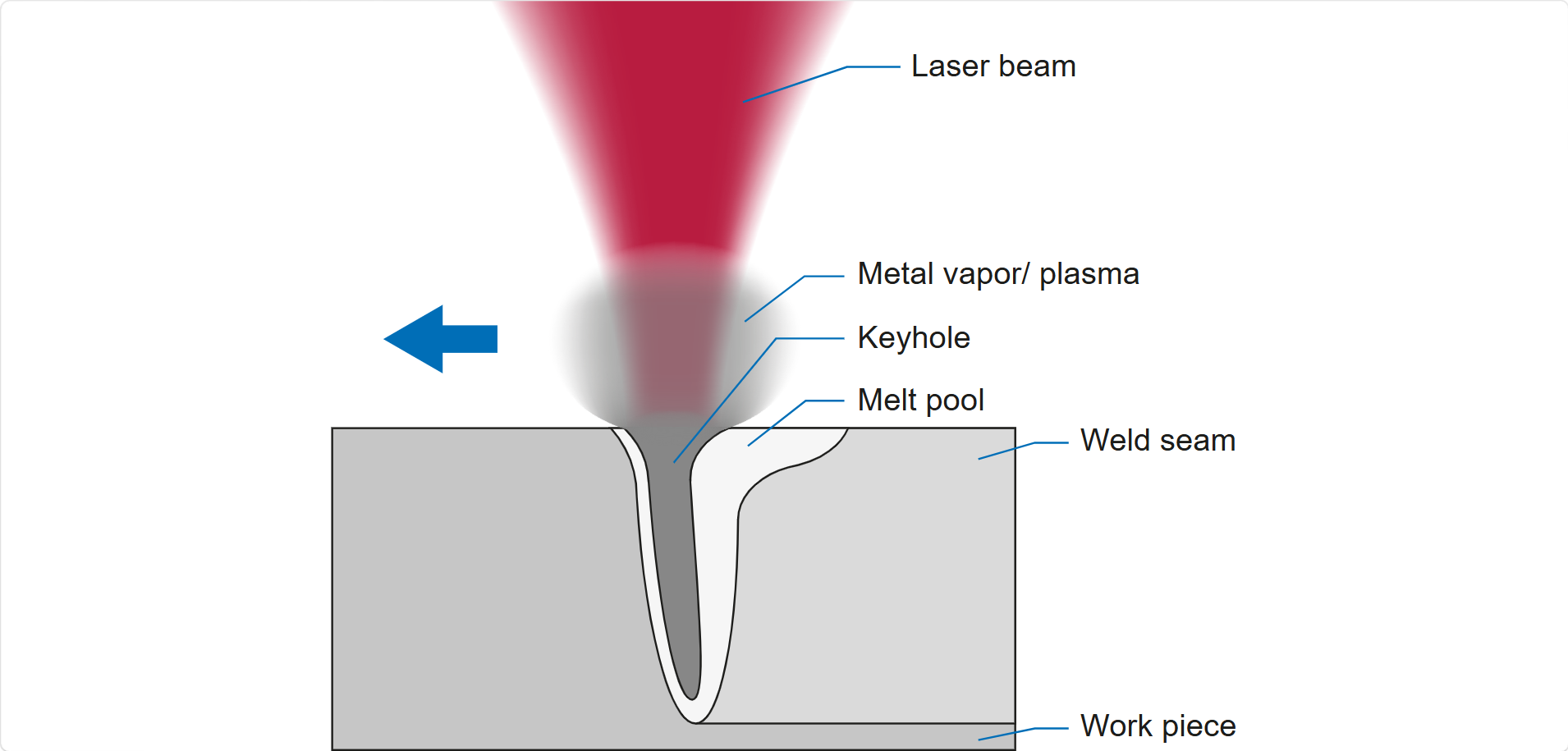
Keyhole Laser Welding
With keyhole laser welding, very high beam intensities are used to process the material. Unlike heat conduction welding, here, a metal vapor is created in addition to the metal melt. This vapor partially displaces the melt, thereby leading to the creation of a vapor capillary (keyhole). This also applies for welding thick steel. The keyhole welding technique is characterized by a high process speed. The heat-affected zone is always highly limited, meaning that material distortion is correspondingly low. What remains is a narrow, evenly structured welding seam with a depth-gauge that is often bigger than its width.
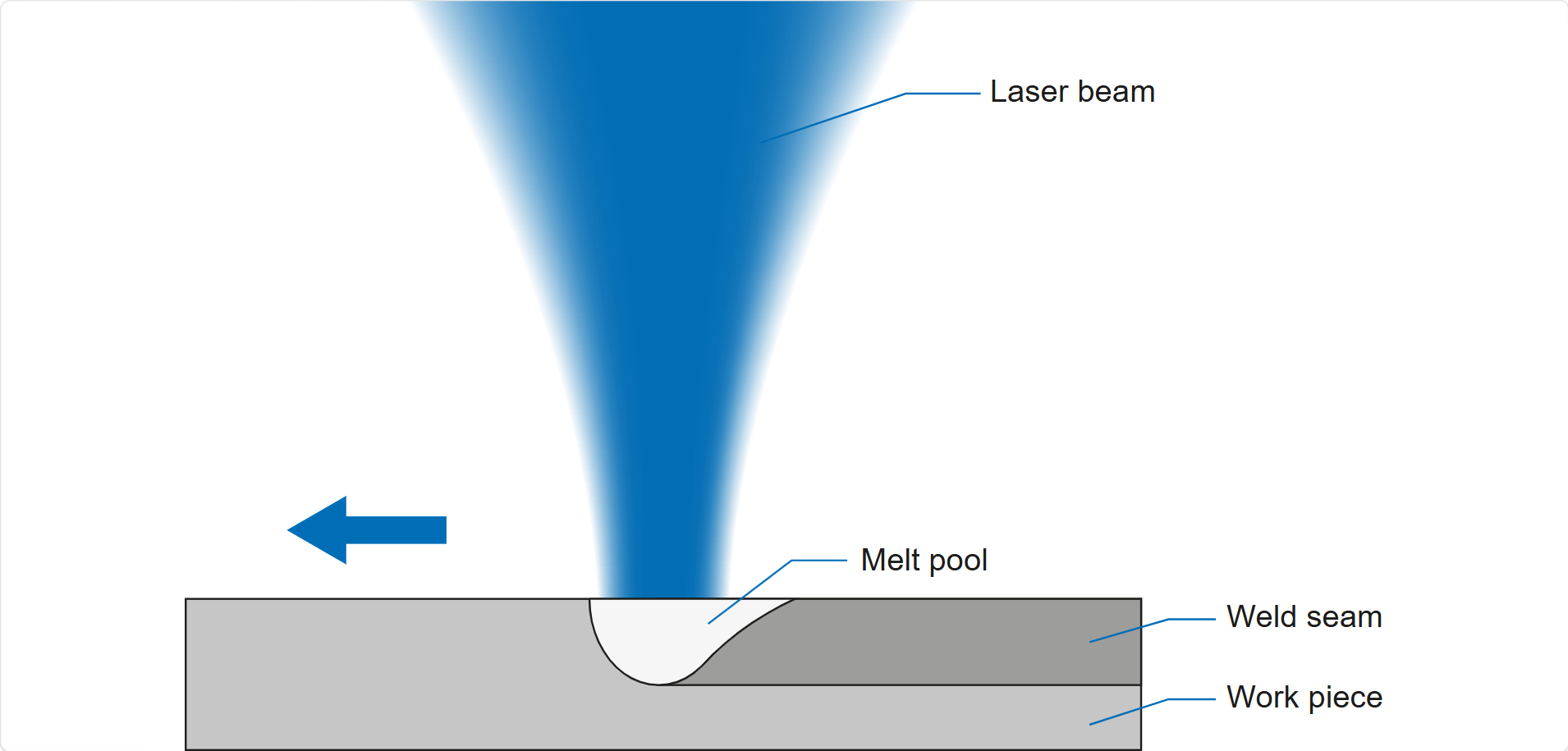
Laser Welding Copper with Blue High Power Diode Laser
The blue laser enables controlled laser welding of copper and other non-ferrous metals with low material thickness. Whereas thin foils were previously cut rather than joined with an infrared laser, the blue laser can now be used to process the material in a targeted and controlled manner. Thanks to its high absorption in copper, the blue laser allows for significantly improved process stability, especially when working with electrical contacts, battery components as well as thin sheets and foils. The blue laser light is used to melt the desired material along the joints. The molten copper solidifies cleanly, forming weld seams with excellent mechanical strength and electrical conductivity. The liquefied metal melts flow into each other and form the weld seam as they cool. This process produces particularly smooth seams that are of excellent quality and therefore highly stable. In addition, minimal heat distortion and a narrow heat affected zone contribute to a high surface quality of the welded components and reduce changes to the material surface. The process is basically the same as with an infrared laser radiation – apart from the wavelength used.
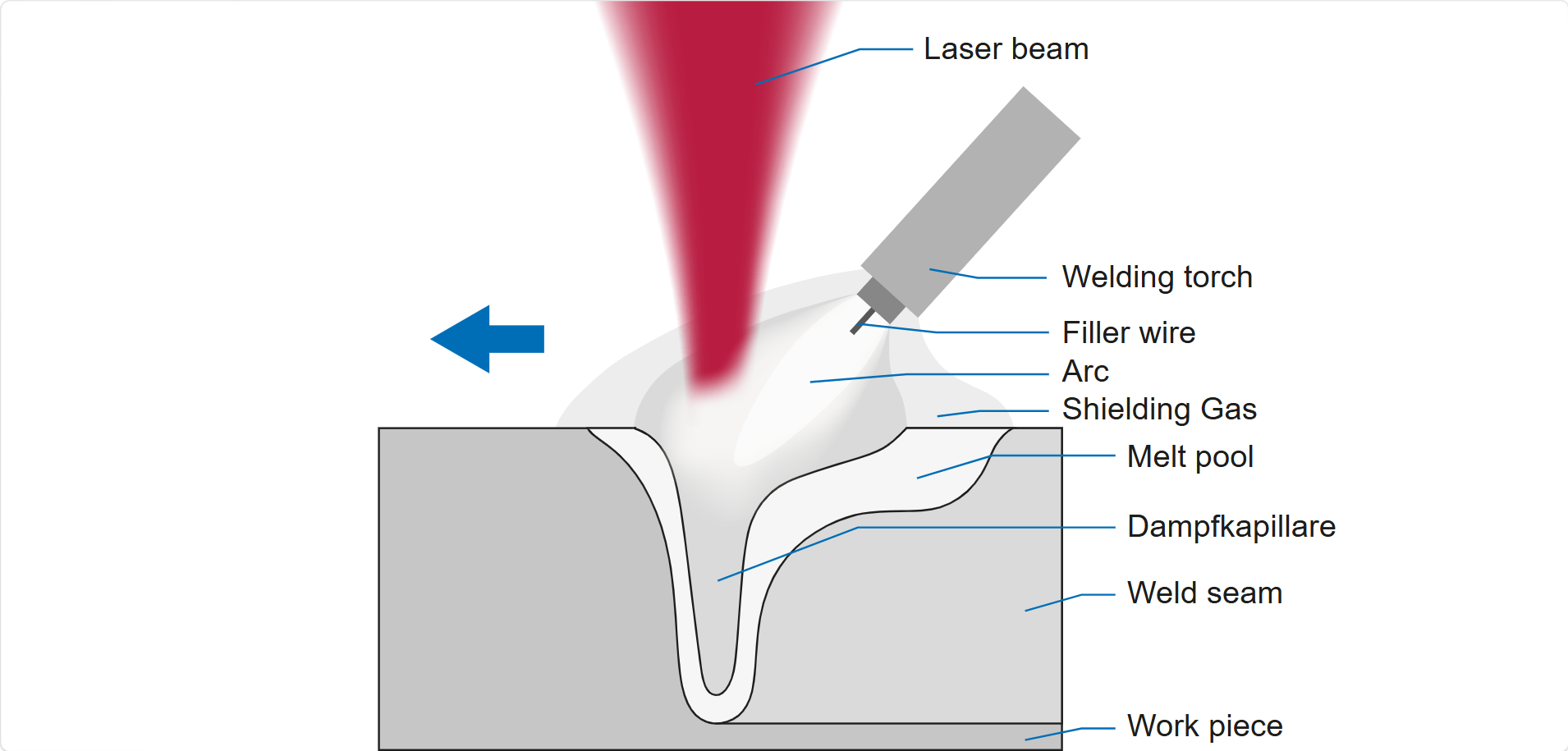
Laser Hybrid Welding
Similar to keyhole welding, hybrid welding uses a laser beam to achieve sufficient welding depth, especially for high material thicknesses. Since seam preparation is often not carried out in an ideal fashion for particularly thick sheet metal, resulting in larger gaps, the missing material must be filled in with an additional wire. To this end, laser hybrid welding combines laser welding with the MIG/MAG welding process. The filler material fills the laser beam funnel and optimizes the flank connection. Both processes work within one process zone, enabling the advantages of both processes to be utilized.
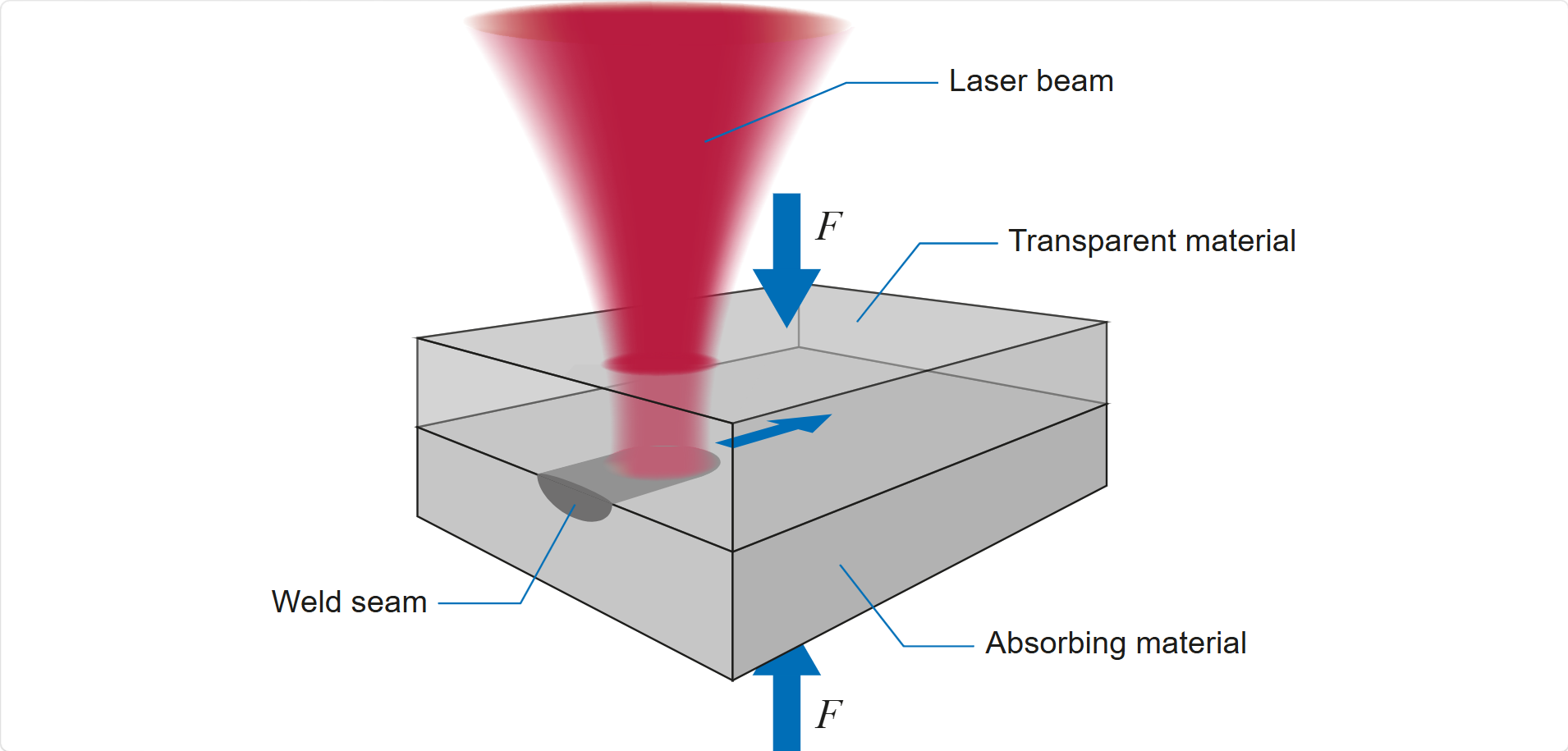
Plastic Welding Systems
Laser beam transmission welding always involves a component that is transparent for the laser and a laser absorbing component being merged. Before they are welded, the join partners are positioned and then pressed together. In the actual fusion process, the laser beam passes through the transparent component without significantly heating it up, before the absorbing component takes the laser energy, which heats up its surface. This energy is transferred via heat conduction onto the surface of the transparent component. The energy that has been absorbed plasticizes the plastic which, with pressure and heat conduction, leads to the components being joined. The existing joining pressure results in a substance-to-substance bond for both parts. The firmness of the resulting weld is typically within the region of the base material’s strength.
Let us advise you and test for yourself
If you have any questions, need a quote or would like to test a configuration in our technical center, please send us an e-mail or simply give us a call. We will answer you as quickly as possible.
Contact us
Address
Shezhen Nova Laser System Co., Ltd
Room 311, Qianhai Innovation Center, Xixiang Ave, Bao'an District, Shenzhen 518102, China
Office hours
Monday to Thursday
08:30
am to 5:00 pm
Friday
08:30 am to 4:00 pm
Further applications
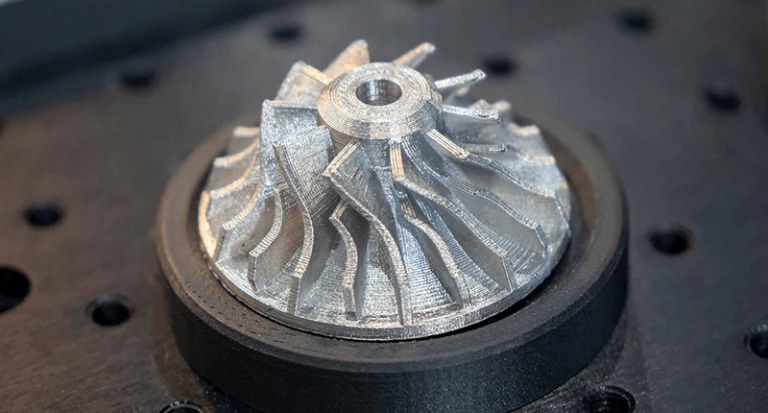
Laser Metal Deposition
Laser metal deposition is a revolutionary manufacturing technology that produces high-performance cladding layers to remanufacture high-value components and extend their service life.
More about Laser Metal Deposition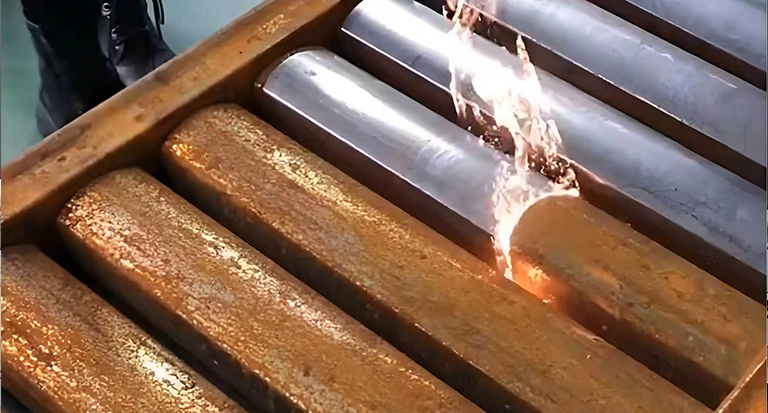
Laser cleaning
Laser cleaning is an effective method for removing impurities, coatings or deposits from surfaces
More about Laser cleaning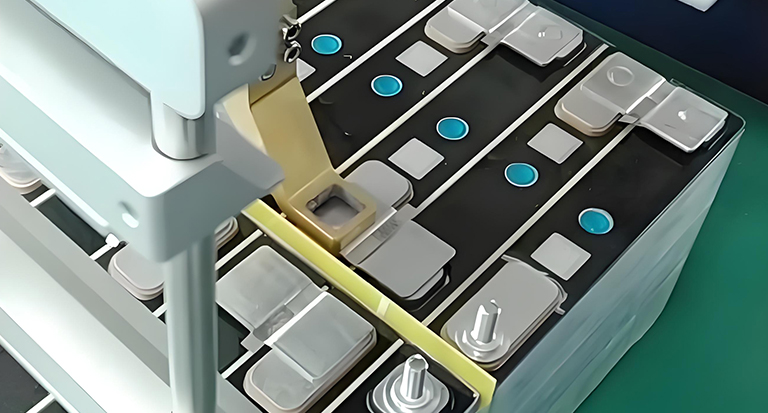
Battery production with Laser
The use of lasers in battery production enables greater precision, efficiency and reproducibility in the manufacture of batteries
More about Battery production with Laser
Glass Laser
Lasers play an important role in glass production and are used for various applications
More about Glass Laser